
Why pools turn green in Miami during March (and how to prevent it)
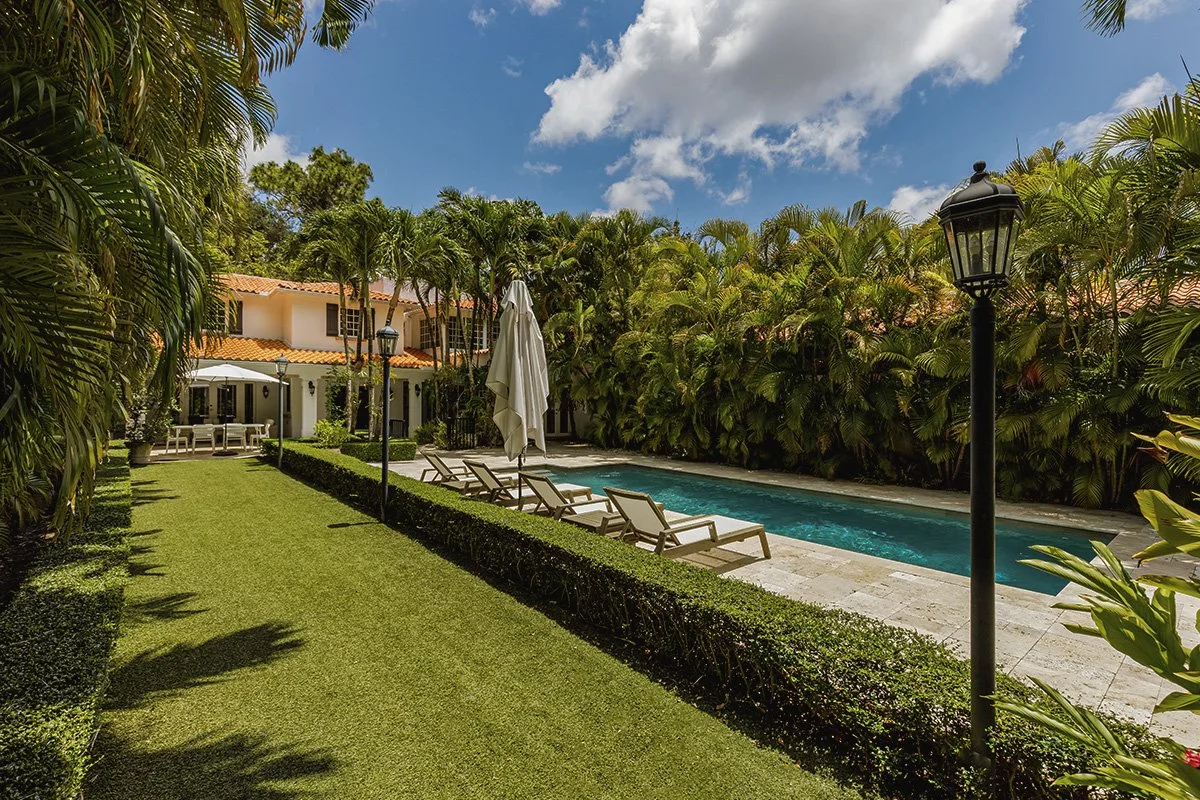
March is when many Miami pools suddenly turn green.
The water looked clear in February. Then temperatures rise, swimmer use increases, and within days the pool loses clarity. What changed was not the color of the water. It was the balance of the system.
Understanding why this happens helps you stop it before it starts.
Rising temperatures activate algae growth
Algae stays relatively quiet during cooler months. Once water temperatures climb, growth accelerates quickly.
In Miami during March:
Warmer water speeds biological activity
Longer daylight increases UV exposure
Chlorine demand rises
Circulation runs longer
If sanitizer levels are not adjusted, algae gains the advantage.
Tip: most pools that turn green in March were already imbalanced weeks earlier.
Stabilizer levels are often too high
Many pools rely on chlorine tablets during winter. Tablets add stabilizer, also called CYA.
When stabilizer climbs too high:
Chlorine becomes less effective
Sanitizer struggles to keep up
Algae can develop even when chlorine is present
Test stabilizer levels before temperatures rise. Lower them if necessary so chlorine can work efficiently.
Verify circulation across the pool
Uneven flow creates dead zones where algae forms first.
Check these points:
Return jets create a circular sweep
No debris accumulation behind steps or ladders
Pump lid shows no air bubbles
Variable-speed pump RPM settings provide steady turnover
Balanced circulation protects the entire pool.
Filtration may be weaker than expected
Winter debris is lighter than spring pollen.
If filters were not deep cleaned recently, fine particles will quickly overload the system once pollen season begins.
Check now:
Filter pressure baseline
Cartridge condition
Sand age in sand filters
DE grids for damage or buildup
Strong filtration helps prevent algae from gaining a foothold.
Circulation problems create hidden algae zones
Algae rarely starts everywhere at once. It begins in areas with poor water movement.
Inspect circulation patterns:
Return jets should create a steady circular flow
Steps and benches should not trap debris
Pump lid should show no air bubbles
Variable-speed pump settings should provide full turnover
Dead spots are often the first place algae appears.
Swimmer load increases organic contamination
March brings more swimmers, sunscreen, oils, and debris into the water.
These organics consume chlorine quickly. When sanitizer is used up fighting contaminants, algae growth accelerates.
Weekly brushing and vacuuming help remove organic buildup before it becomes a problem.
Common early warning signs
Before a pool turns green, smaller clues appear.
Watch for:
Chlorine demand increasing quickly
Water losing its sparkle
Slimy surfaces on steps or walls
Faint green tint in corners
Addressing these signs early prevents full algae blooms.
Prevention is always easier than recovery
Once algae blooms, recovery requires higher chemical use, longer filtration cycles, and sometimes multiple treatments.
Maintaining balance before temperatures spike keeps the system stable and the water clear.
Who should act immediately
Pools that relied heavily on tablets during winter
Pools with filters that have not been cleaned recently
Homes preparing for spring gatherings
Properties entering short-term rental season
Enjoy your pool stress-free. >>>
Let our experts handle the rest.
Enjoy your pool stress-free. >>> Let our experts handle the rest.
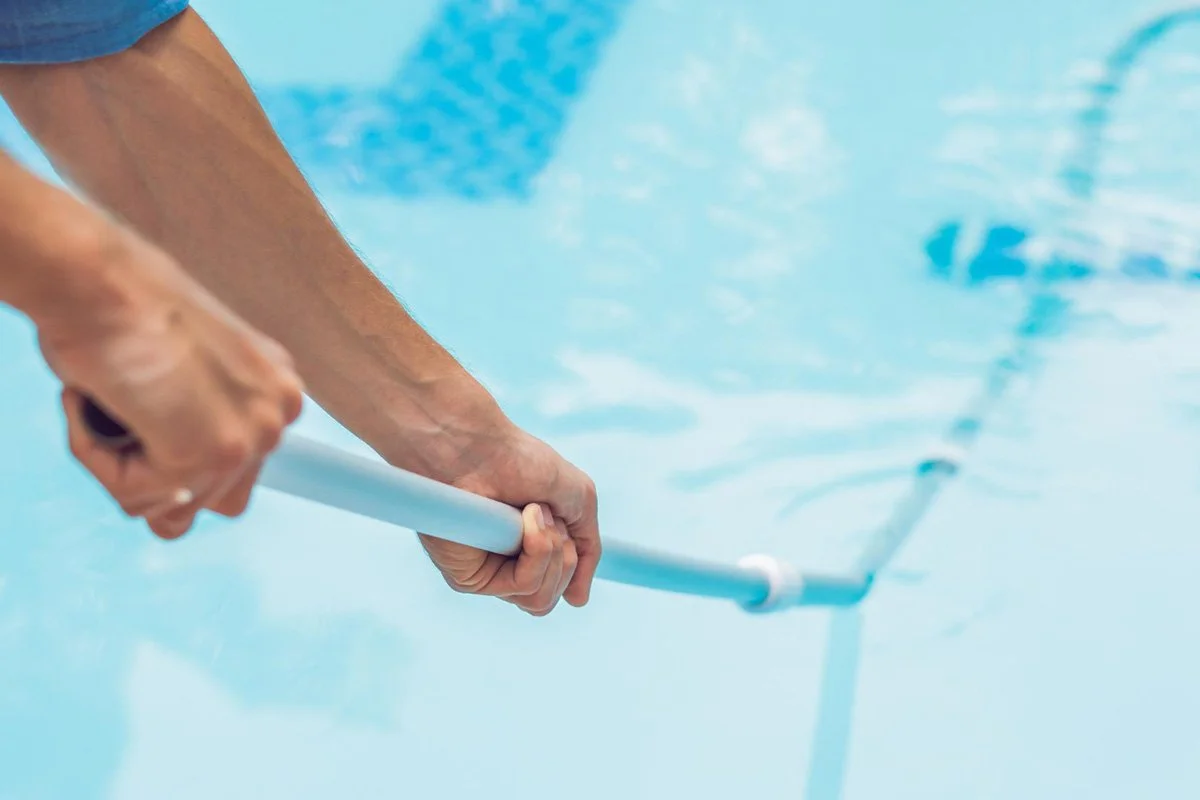
Stop algae before it starts and keep your pool ready for the season.
Schedule your spring pool inspection today.

